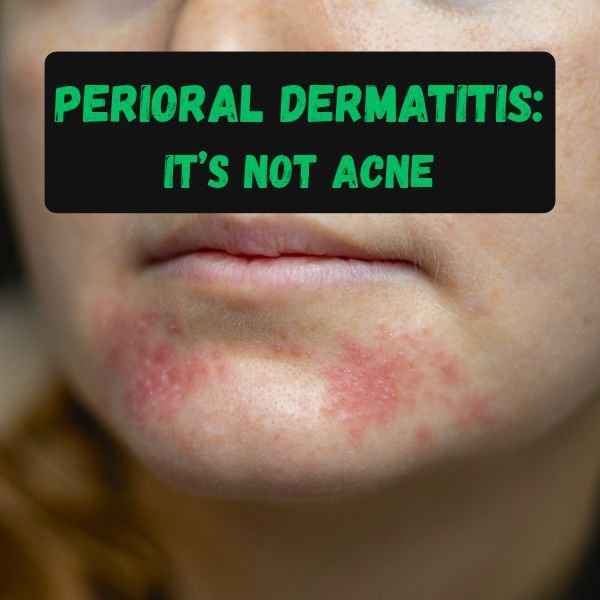
Have you noticed small red bumps around your mouth that just won’t go away? Maybe your skin feels dry, tight, itchy, or irritated, even after trying different skincare products. If this sounds familiar, you might be dealing with perioral dermatitis.
This common skin condition can be frustrating, especially when products meant to improve your skin seem to make it worse. The good news is that perioral dermatitis can usually be treated with the right care and a little patience.
In this guide, we’ll explain what perioral dermatitis looks like, what may trigger it, and how to start caring for your skin without making the irritation worse.
What Is Perioral Dermatitis?
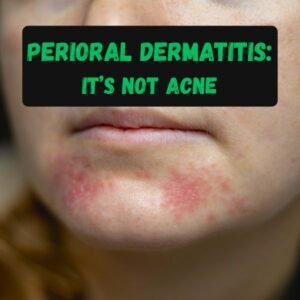
Perioral dermatitis is an inflammatory skin condition that causes small, red or skin-colored bumps around the mouth. The name may sound complicated, but it simply describes inflammation around the mouth area.
The bumps often appear in groups and may look a little like acne. However, perioral dermatitis is not the same as regular acne. It usually does not cause blackheads, and picking at the bumps or treating them like pimples can make the irritation worse.
Although the rash most often develops around the mouth, it can also appear around the nose and, sometimes, the eyes. When these areas are affected, the condition may be called periorificial dermatitis.
It can affect people of different ages, but it is especially common in adult women. Still, anyone can develop it.
One thing to remember: perioral dermatitis is not a sign that your skin is dirty. Washing your face more often or scrubbing the affected area will not make it disappear. In fact, harsh cleansing can leave your skin even more irritated.
What Does Perioral Dermatitis Look Like?
Perioral dermatitis can look different from person to person. For some, it appears as a few tiny bumps. For others, the rash spreads across the skin around the mouth and becomes difficult to ignore.
Common signs include:
- Small red or skin-colored bumps: These may appear in clusters around the mouth.
- Redness: The skin around the bumps may look pink, red, or inflamed.
- Dryness and flaking: The affected area may become rough, scaly, or flaky.
- Burning or tightness: Your skin might sting or feel uncomfortable, even when you’re not touching it.
- Mild itching: Some people experience itching, although burning or irritation may be more noticeable.
- A rash around the nose or eyes: The bumps are not always limited to the mouth.
A common clue is that the rash may leave a narrow strip of normal-looking skin right next to the lips. However, this does not happen in every case.
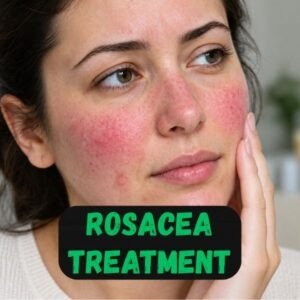
Perioral dermatitis can sometimes be mistaken for acne, eczema, rosacea, or contact dermatitis. These conditions can look similar, but their treatments may be different. If you’re unsure what is causing your rash, a dermatologist can help identify it.
What Causes Perioral Dermatitis?
There isn’t one single cause of perioral dermatitis. Instead, it seems to develop when the skin becomes irritated or its normal protective barrier is disrupted. Certain products and medications may contribute to the problem, although not everyone has the same triggers.
Here are some common factors to know about.
1. Steroid Creams
One of the best-known triggers is the use of topical corticosteroid creams on the face. These creams are often prescribed for other skin problems because they reduce redness and inflammation.
The confusing part? A steroid cream may make the rash look better at first, only for it to return or become worse later. Repeated use can keep the cycle going in some people.
Steroid-containing nasal sprays or inhalers may also contribute in certain cases, particularly if medication repeatedly contacts the skin around the mouth or nose.
Important: If you’ve been using a prescribed steroid cream on your face, speak with your healthcare professional before changing how you use it. Stopping after regular use can sometimes cause a temporary flare, so your clinician can help you decide on the safest approach.
2. Skincare Products That Irritate the Skin
Sometimes, a skincare routine that once worked perfectly can become too much for irritated skin.
Heavy creams, oily products, fragranced moisturizers, exfoliating acids, scrubs, and strong acne treatments may worsen symptoms in some people. Using several active ingredients at once can also make it harder to figure out what’s irritating your skin.
This doesn’t mean every moisturizer or skincare product is bad. The key is to notice how your skin responds and avoid products that cause more redness, stinging, or bumps.
3. Toothpaste and Oral Care Products
Have you ever wondered whether your toothpaste could be affecting the skin around your mouth?
Some people notice irritation around the lips after using certain toothpaste or mouthwash products. Ingredients such as flavorings and other additives may cause irritation or contact reactions in sensitive individuals.
However, toothpaste is not a proven cause of every case of perioral dermatitis. If you suspect a connection, pay attention to whether the rash worsens after brushing your teeth. You can discuss possible alternatives with a dentist or dermatologist.
4. Makeup and Sunscreen
Foundation, concealer, sunscreen, and other products that sit on the skin may aggravate an existing rash in some people. This can be especially noticeable if the products are heavily fragranced, difficult to remove, or uncomfortable on irritated skin.
Still, you don’t necessarily have to avoid all makeup or sunscreen forever. During a flare, keeping your routine simple may help you identify products your skin can tolerate.
5. Other Possible Triggers
Other factors may play a role, including certain cosmetic products, repeated skin irritation, and individual sensitivity to ingredients. Sometimes, the exact trigger is never identified.
It’s also worth knowing that perioral dermatitis is not simply caused by poor hygiene. Scrubbing harder, washing repeatedly, or adding more treatments can make things worse rather than better.
How to Calm Perioral Dermatitis at Home
When a rash appears, the natural reaction is to try another cream, cleanser, or spot treatment. But with perioral dermatitis, adding more products can sometimes prolong the irritation.
A simpler routine is often a better starting point while you arrange medical advice if needed.
1. Keep Your Skincare Routine Simple
For now, consider cutting back on nonessential products around the affected area. This may include scrubs, exfoliating acids, retinoids, strong acne treatments, and fragranced skincare.
You don’t need a ten-step routine to care for irritated skin. A gentle cleanser, a suitable moisturizer if tolerated, and appropriate sun protection may be enough.
Introduce products carefully rather than changing everything at once. That makes it easier to notice what your skin tolerates.
2. Avoid Scrubbing or Picking at the Bumps
Scrubbing may remove flakes temporarily, but it can also damage the skin’s protective barrier and increase redness. Picking at bumps may cause further irritation and raise the risk of marks or infection.
Wash your face gently with lukewarm water and your fingertips. Avoid rough washcloths, cleansing brushes, and very hot water on the affected area.
3. Be Careful With Steroid Creams
If you’ve been applying a steroid cream to the rash, don’t keep increasing how often you use it just because it briefly reduces redness. Steroids can worsen or maintain perioral dermatitis in some cases.
If the cream was prescribed, contact the prescriber before stopping or changing it, particularly if you’ve used it regularly. They can guide you through the next steps and recommend another treatment if needed.
4. Don’t Overload Your Skin With Moisturizer
Moisturizer can help dry skin, but some thick or heavy formulas may worsen perioral dermatitis in certain people. On the other hand, leaving very dry, uncomfortable skin untreated may also feel unpleasant.
Look for a simple, fragrance-free product that your skin tolerates. Apply a small amount first and watch for increased stinging, redness, or bumps. If a product consistently makes the rash worse, stop using it and seek advice.
5. Give Your Skin Time to Settle
Perioral dermatitis rarely disappears overnight. Constantly switching products can make it harder to work out what’s helping and what isn’t.
Keep a note of new products, medication changes, and any patterns you notice. This information can be useful when discussing your skin with a healthcare professional.
Home care may reduce irritation, but it may not clear the condition completely. If the rash persists, spreads, becomes painful, or keeps returning, a dermatologist can confirm the diagnosis and recommend treatment.
When Should You See a Dermatologist?
It’s a good idea to seek medical advice if the rash doesn’t improve, keeps coming back, spreads toward your nose or eyes, or causes significant discomfort.
You should also get advice if you’re unsure whether the bumps are caused by perioral dermatitis or another skin condition. The wrong treatment can sometimes make the problem worse.
A dermatologist may recommend prescription treatments depending on the severity of your symptoms. These can include topical medicines or oral medication when appropriate.
Getting the diagnosis right is an important first step. Once you know what you’re dealing with, you can avoid common triggers and follow a treatment plan designed for your skin.
Perioral Dermatitis Treatment: What Actually Works?
If you’ve been dealing with perioral dermatitis for weeks, you probably want one thing: clear skin without wasting money on products that don’t help.
The good news is that perioral dermatitis can usually be managed with the right treatment. However, what works best depends on how severe the rash is, what may be triggering it, and how your skin responds.
In many cases, treatment starts with simplifying your skincare routine and avoiding possible triggers. If that isn’t enough, a dermatologist may recommend prescription medication.
How to Clear Perioral Dermatitis Fast
There isn’t an overnight fix for perioral dermatitis, even if a product promises one. Trying too many treatments at once can actually make the rash more irritated.
If you want to calm your skin as quickly as possible, start with these steps:
- Simplify your skincare routine: Temporarily avoid scrubs, exfoliating acids, retinoids, and strong acne treatments around the affected area.
- Use a gentle cleanser: Choose a mild, fragrance-free face wash that doesn’t leave your skin feeling tight or burning.
- Avoid suspected triggers: Stop using nonessential products that seem to make the rash worse, such as heavily fragranced creams or irritating cosmetics.
- Be cautious with steroid creams: Facial steroid creams can worsen or maintain perioral dermatitis. If you’re using a prescribed steroid, ask your healthcare professional how to stop or change it safely.
- Seek appropriate treatment: If the rash persists or is spreading, a dermatologist can confirm the diagnosis and recommend medication if needed.
Avoid squeezing the bumps or repeatedly changing your skincare products. Your skin needs time to settle, and a consistent routine makes it easier to identify what helps.
Perioral Dermatitis Treatment Without Steroids
If you’re looking for perioral dermatitis treatment without steroids, you’re not alone. Steroid creams may temporarily reduce redness, but they can also trigger or worsen this condition, particularly with repeated use on the face.
Fortunately, there are other treatment options.
A dermatologist may prescribe topical medicines such as metronidazole, erythromycin, or pimecrolimus, depending on your situation. Some cases require oral antibiotics, such as doxycycline, to reduce inflammation. These medicines aren’t suitable for everyone, and your doctor will consider factors such as your age, medical history, and pregnancy status before choosing a treatment.
It’s important to understand that antibiotics may be used for their anti-inflammatory effects, not necessarily because the rash is caused by a bacterial infection.
You may also hear about azelaic acid or other acne treatments. These products can irritate sensitive skin, so don’t assume that an ingredient commonly used for acne will automatically help perioral dermatitis.
The best approach is to confirm the diagnosis and follow a treatment plan suited to your skin. Avoid using prescription medicines left over from an earlier skin problem without medical advice.
How Long Does Perioral Dermatitis Take to Heal?
One of the most frustrating things about perioral dermatitis is how slowly it can improve.
Some people notice early improvement within a few weeks of starting the right treatment. However, complete clearing can take several weeks to a few months, especially if the rash has been present for a long time or has been aggravated by steroid creams.
Your healing time may depend on:
- How long you’ve had the rash.
- Whether you continue to encounter triggers.
- Whether the diagnosis is correct.
- The treatment you’re using and how well you respond to it.
- Whether your skin becomes irritated by other skincare products.
You might notice that the redness improves before the bumps disappear completely. That’s not necessarily a sign that treatment isn’t working.
Try not to judge your progress from one day to the next. Taking a photo every week in similar lighting can help you see gradual changes that might otherwise go unnoticed.
If your skin isn’t improving after several weeks, the rash is getting worse, or it keeps returning, check in with your dermatologist. You may need a different treatment or a closer look at possible triggers.
Why Is My Perioral Dermatitis Not Going Away?
When a rash sticks around despite your best efforts, it’s easy to feel discouraged. But persistent perioral dermatitis doesn’t always mean you’re doing something wrong.
There are several possible reasons it may not be clearing.
You may still be using a trigger. A moisturizer, foundation, sunscreen, toothpaste, or other product could be irritating your skin. Even products you’ve used for years may become a problem when your skin is already inflamed.
Steroid cream may be keeping the cycle going. If you’ve been applying a topical steroid to your face, it may temporarily hide the redness while contributing to recurring flare-ups. Speak with your prescriber about the safest way to change your treatment.
Your treatment may need more time. Perioral dermatitis often takes weeks to improve. Stopping and starting treatments too quickly can make it difficult to judge whether they’re working.
The diagnosis may be different. Conditions such as acne, rosacea, eczema, and contact dermatitis can look similar. If your rash isn’t responding as expected, a dermatologist may need to reassess it.
Your routine may be too harsh. Using several active ingredients, washing too frequently, or scrubbing away flakes can irritate the skin barrier.
Instead of adding another product, step back and review your routine. If the rash continues despite simplifying your skincare and following treatment advice, get it checked rather than repeatedly experimenting with new remedies.
Best Moisturizer for Perioral Dermatitis
Choosing a moisturizer can be tricky when your skin is already irritated. You want to relieve dryness without making the bumps worse.
There isn’t one moisturizer that works best for everyone with perioral dermatitis. Some people tolerate a lightweight lotion, while others find that even gentle products cause stinging.
When choosing a moisturizer, look for these features:
- Fragrance-free: Fragrance can irritate sensitive skin.
- Simple ingredients: A shorter ingredient list may make it easier to identify potential triggers.
- Lightweight texture: Some people find light lotions more comfortable than thick creams or ointments.
- Suitable for sensitive skin: Products designed for sensitive skin may be a reasonable starting point, although they can still cause reactions.
Ingredients such as glycerin and ceramides can help support the skin barrier, but no ingredient is guaranteed to suit everyone with perioral dermatitis.
Introduce one product at a time and try a small amount first. If it repeatedly causes burning, redness, or more bumps, stop using it and ask a healthcare professional for advice.
Can moisturizer make perioral dermatitis worse?
Yes, certain moisturizers can worsen symptoms in some people, particularly if they are heavy, fragranced, or irritating to their skin. However, this doesn’t mean all moisturizers are bad.
If your skin is very irritated, ask your dermatologist whether you should use a moisturizer and which type may be appropriate for you.
Best Face Wash for Perioral Dermatitis
A good face wash should clean your skin without leaving it feeling stripped, tight, or uncomfortable.
You don’t necessarily need an expensive cleanser or one marketed specifically for perioral dermatitis. A mild, fragrance-free cleanser is often a sensible place to start.
Look for a product that:
- Cleans without leaving a strong squeaky-clean feeling.
- Doesn’t contain added fragrance.
- Doesn’t cause stinging or increased redness.
- Can be rinsed off easily with lukewarm water.
For now, avoid harsh scrubs, exfoliating cleansers, and products containing strong acne-fighting ingredients if they irritate the affected area. Ingredients such as salicylic acid and benzoyl peroxide can be helpful for some types of acne but may aggravate already inflamed skin.
Wash gently with your fingertips rather than using cleansing brushes or rough washcloths. You may not need to cleanse the affected area more than necessary.
If even a mild cleanser causes discomfort, ask your dermatologist whether a simpler cleansing approach would be suitable while your skin heals.
What Products Should You Avoid With Perioral Dermatitis?
When your skin is flaring up, your usual skincare routine may suddenly feel like too much.
Rather than throwing away every product you own, focus on removing things that are unnecessary or seem to worsen your symptoms.
During a flare, consider avoiding or reducing the use of:
- Facial steroid creams unless your clinician has given you a specific plan.
- Physical scrubs and cleansing brushes.
- Strong exfoliating acids, including glycolic and salicylic acid products, if they irritate your skin.
- Retinoids, particularly if they cause dryness or peeling around your mouth.
- Harsh acne treatments.
- Heavily fragranced creams, cleansers, and cosmetics.
- Thick or occlusive products that seem to worsen the bumps.
- New skincare products with long ingredient lists that make it difficult to identify a trigger.
You may not need to avoid every item on this list permanently. The goal is to reduce irritation while your skin settles, then discuss which products you can safely reintroduce.
If you’re using a prescribed medication for another skin condition, don’t stop it without checking with your healthcare professional.
What Makeup Should You Avoid With Perioral Dermatitis?
You don’t necessarily have to give up makeup completely. However, applying several layers of foundation, concealer, primer, and setting products can be uncomfortable when the skin around your mouth is inflamed.
During a flare, consider taking a break from makeup on the affected area if possible.
If you choose to wear it, keep these tips in mind:
- Choose fragrance-free products when available.
- Avoid products that cause stinging, itching, or increased redness.
- Apply makeup gently instead of rubbing it into the skin.
- Clean makeup brushes and sponges regularly.
- Remove makeup carefully without scrubbing.
- Avoid layering several products over the rash.
Be cautious with heavy, long-wearing formulas if they are difficult to remove or seem to make your symptoms worse. However, there isn’t one universal list of makeup ingredients that everyone with perioral dermatitis must avoid.
If your skin is actively inflamed, skipping makeup around the mouth may be more comfortable until it improves.
Can Toothpaste Cause Perioral Dermatitis?
Toothpaste is sometimes suspected when a rash develops around the mouth, but the relationship isn’t straightforward.
Certain toothpaste ingredients, flavorings, and oral care products can irritate the skin or cause contact reactions in some people. This may contribute to redness around the lips and can sometimes look similar to perioral dermatitis.
That doesn’t mean toothpaste causes every case of perioral dermatitis.
If you notice that the rash seems worse after brushing, try to keep toothpaste foam from sitting on the skin around your mouth. Rinse the area gently with water afterward rather than scrubbing it.
You could also discuss switching to a simpler toothpaste with your dentist or dermatologist, particularly if you suspect a specific ingredient is causing irritation. Continue maintaining good oral hygiene.
If the rash persists, don’t assume toothpaste is the only cause. A healthcare professional can help determine whether you’re dealing with perioral dermatitis or another condition.
How to Prevent Perioral Dermatitis From Coming Back
Once the bumps finally clear, the last thing you want is another flare-up. Although perioral dermatitis can return, a few simple habits may help reduce the chances of recurrence.
Keep your skincare routine simple. You don’t need to use multiple serums, exfoliants, and treatments every day. Stick with products your skin tolerates and introduce new ones gradually.
Be careful with steroid creams. Avoid using facial steroid creams for unexplained redness or bumps unless a healthcare professional has recommended them. If you’ve previously used steroids, ask your clinician what to do if symptoms return.
Pay attention to your triggers. Notice whether particular cosmetics, moisturizers, toothpaste, or other products seem to make your skin worse. A simple skincare diary can help you spot patterns.
Avoid over-exfoliating. Scrubbing and using too many active ingredients can irritate the skin barrier. If you’ve had perioral dermatitis, be especially cautious about reintroducing strong treatments around your mouth.
Follow your treatment plan. Use prescribed medication as directed and check with your clinician before changing the dose or stopping early.
Be patient with new products. Even products marketed for sensitive skin can cause problems for some people. Add one new product at a time so you can identify what your skin tolerates.
If the rash repeatedly returns, a dermatologist can help identify possible triggers and decide whether further treatment is needed.