Have you ever looked in the mirror and noticed a few white spots or pale patches on your face? Maybe they’re on your cheeks, around your mouth, or near your forehead. If you’ve noticed them on your child, it’s natural to wonder whether something is wrong.
The good news is that white spots on the face are often harmless, especially when they appear as small, pale patches without pain or other symptoms. However, they can develop for several different reasons, and not every white patch needs the same treatment.
Sometimes, the cause is simply dry or sensitive skin. In other cases, the spots may be linked to a condition such as pityriasis alba, vitiligo, or a fungal infection.
So, what do these spots actually mean? Let’s look at their appearance, the most common causes, and why white spots on a child’s face deserve a little extra attention.
What Do White Spots on the Face Look Like?
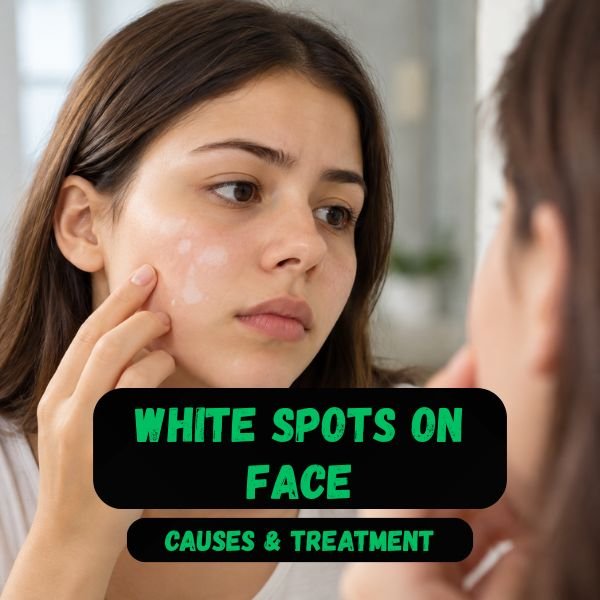
Not all white spots on the face look the same. Some appear as tiny dots, while others form larger patches that are lighter than the surrounding skin.
You might notice flat, pale areas on your cheeks that feel slightly dry. Or you may see small, firm white bumps that look almost like little beads beneath the skin. In some cases, the patches have clear edges and look much lighter than the rest of your face.
These differences can offer useful clues about what’s happening.
For example, dry, faint patches on a child’s cheeks may be caused by pityriasis alba. Tiny, firm white bumps may be milia, which develop when keratin becomes trapped beneath the skin’s surface. Clearly defined white patches may be associated with vitiligo.
Doctors use the term hypopigmentation when an area of skin has less pigment than usual. Depigmentation refers to the loss of pigment in an area of skin.
The appearance of the spots matters, but it isn’t enough to make a definite diagnosis. Their location, texture, how long they’ve been there, and whether they’re spreading are important, too.
White Spots on Face Reason: What Causes Them?
If you’re wondering about the white spots on face reason, there isn’t just one answer. Several skin conditions can cause pale patches or white bumps, and some are much more common than others.
Pityriasis Alba
One common cause, particularly in children and teenagers, is pityriasis alba.
This condition usually appears as pale, round or oval patches on the cheeks. The patches may start with slight redness before becoming lighter than the surrounding skin. They can also feel dry or look a little flaky.
Pityriasis alba is often associated with dry skin and eczema. It’s especially noticeable in children with sensitive skin, although it can affect adults, too.
Here’s something reassuring: pityriasis alba is generally harmless and isn’t contagious. The patches usually improve on their own, but the process can take several months or longer.
Moisturizing the skin and protecting it from the sun can help make the patches less noticeable while the skin gradually returns to its usual color.
Vitiligo
Another possible cause is vitiligo, a condition that causes the skin to lose its natural pigment.
Unlike the faint, slightly dry patches often seen with pityriasis alba, vitiligo commonly produces clearly defined white areas. These patches may appear on the cheeks, around the eyes and mouth, or on other parts of the body.
Vitiligo happens when the cells responsible for producing skin pigment, called melanocytes, stop working properly or are lost in affected areas.
The patches may stay in one place or gradually become larger. Some people develop several patches over time.
It’s important to know that vitiligo isn’t contagious. It also isn’t caused by poor hygiene or simply spending too much time in the sun.
If you notice sharply defined white patches or areas that seem to be losing more color over time, a dermatologist can help determine whether vitiligo is the cause.
Tinea Versicolor
Tinea versicolor is a skin condition caused by an overgrowth of a type of yeast that normally lives on the skin.
It can create patches that look lighter or darker than the surrounding skin. These patches may have a fine, powdery scale and sometimes cause mild itching.
Tinea versicolor is more common on the chest, back, shoulders, and neck, but it can also affect the face, particularly in children.
Warm, humid weather and oily skin can encourage the yeast to grow. The condition isn’t usually serious, but it may need antifungal treatment.
One thing to remember is that the patches may remain lighter or darker for a while even after the yeast has been treated successfully. The skin can take time to regain its usual color.
Milia and Other Causes
If the white spots look more like tiny bumps than flat patches, they could be milia.
Milia are small, firm, white or yellowish bumps that develop when keratin, a protein found in the skin, becomes trapped beneath the surface. They commonly appear around the eyes, cheeks, and nose.
Milia are usually harmless and don’t mean that your skin is dirty or that you need to scrub it more thoroughly.
White or pale patches can also appear after eczema, irritation, or another skin rash has healed. This is known as post-inflammatory hypopigmentation. In simple terms, the skin temporarily produces or retains less pigment in the affected area after inflammation.
Because several conditions can look similar, it’s best to identify the cause before trying a treatment.
White Spots on Face in Kids: What Parents Should Know
Finding white spots on your child’s face can be worrying, especially if they seem to appear out of nowhere. Fortunately, one of the more common explanations is pityriasis alba, which often affects school-age children and teenagers.
The spots usually appear on the cheeks and may look like faint, uneven patches. Sometimes, the skin feels dry or slightly rough. The patches may be easier to notice after summer because the surrounding skin becomes darker with tanning while the affected areas remain pale.
Children with dry skin or eczema may be more likely to develop pityriasis alba.
In most cases, the condition is harmless and doesn’t require strong medication. A gentle moisturizer and daily sunscreen may help improve the skin’s appearance while the patches fade gradually.
Still, not every white patch on a child’s face is pityriasis alba. Vitiligo, fungal infections, and other skin conditions can cause similar changes.
If the patches are spreading, becoming completely white, causing discomfort, or simply don’t seem to improve, it’s worth having your child examined by a doctor or dermatologist.
White Spots on Child’s Face From Sun Exposure
Have you noticed that your child’s white spots become more obvious after playing outside or returning from a sunny holiday?
This can happen because sun exposure makes existing pale patches easier to see.
Imagine that your child’s cheeks have a few areas of pityriasis alba. When the surrounding skin tans, those pale patches may stay much lighter. The contrast between the two areas makes the spots stand out.
Sun exposure can also dry or irritate sensitive skin, which may make existing skin problems more noticeable.
However, the sun isn’t necessarily the original cause of the white spots. Other conditions, including vitiligo and certain fungal infections, can also cause pale patches.
To protect your child’s skin, use a broad-spectrum sunscreen with SPF 30 or higher, encourage shade during strong sunlight, and consider protective clothing such as a wide-brimmed hat.
If the spots continue to spread or develop sharp, clear borders, don’t assume they’re simply sun-related. A medical examination can help identify the actual cause.
White Spots on Face of Child Vitamin Deficiency: Is There a Connection?
Many parents immediately think of vitamins when they notice pale patches on their child’s skin. You may have heard that white spots mean a child is lacking vitamin D, vitamin B12, or another important nutrient.
But is that really true?
White spots on a child’s face do not automatically mean there’s a vitamin deficiency.
Pityriasis alba, for example, is a common cause of pale patches in children and is not established as a condition caused by a vitamin deficiency.
Nutritional deficiencies can affect the skin, but white spots alone aren’t enough to identify one. A doctor would need to consider the child’s overall health, diet, growth, and any other symptoms.
If your child also experiences unusual tiredness, poor growth, a very limited diet, or other unexplained symptoms, speak with a pediatrician. They can decide whether further assessment or blood tests are needed.
It’s best not to start high-dose vitamin supplements just because white spots have appeared. Taking supplements without a clear need may not help and, in some cases, can be harmful.
Instead, focus on a balanced diet, gentle skincare, and finding out what’s actually causing the patches.
What Should You Remember About White Spots on the Face?
White spots can look similar at first, but their causes can be quite different. Pale, slightly dry patches on a child’s cheeks may be linked to pityriasis alba, while tiny white bumps could be milia. Sharply defined patches may need assessment for vitiligo, and scaly patches may suggest a fungal infection.
Sun exposure can make existing spots more noticeable, but it doesn’t explain every case. Likewise, white spots alone are not reliable evidence of a vitamin deficiency.
The most helpful thing you can do is pay attention to how the patches look, whether they’re changing, and whether other symptoms are present.
White Spots on Face: Diagnosis, Treatment, and Prevention
If you’ve noticed white spots on your face, the next question is probably what you can do about them. Should you apply a moisturizer, try an antifungal cream, or visit a dermatologist?
The answer depends on what’s causing the spots in the first place. A product that helps with dry skin may do very little for a fungal infection, while using the wrong cream can sometimes make irritation worse.
The good news is that many causes of white spots on the face can be managed with the right care. Some patches fade naturally, while others may need medication or ongoing treatment.
Let’s look at how to tell the difference between common causes, what treatments are available, and when you should get professional advice.
How to Tell the Difference Between Common Causes of White Spots
Although several skin conditions can cause pale patches, there are a few differences that may help you understand what you’re seeing.
Pityriasis alba usually causes faint, irregular patches on the cheeks. The skin may feel dry or slightly rough, and the patches are especially common in children.
Vitiligo often creates clearly defined white patches that are much lighter than the surrounding skin. These patches may gradually increase in size or appear in new areas.
Tinea versicolor can cause light or dark patches with fine scaling. It commonly affects the chest, back, shoulders, and neck, although the face can also be affected.
Milia, on the other hand, look like tiny, firm, white bumps rather than flat patches. They often appear around the eyes and cheeks.
Here’s the important part: these are clues, not guaranteed ways to diagnose yourself. Two conditions can look similar, especially in their early stages. If you’re unsure what is causing the spots, a dermatologist can examine your skin and recommend the right treatment.
How Are White Spots on the Face Diagnosed?
A dermatologist usually starts by looking closely at the affected skin. They’ll consider the color, shape, texture, and location of the spots, along with when they first appeared and whether they’ve changed over time.
They may also ask about your skincare routine, sun exposure, previous rashes, and any history of eczema or other skin conditions.
Sometimes, a special light called a Wood’s lamp helps the doctor examine changes in skin pigment. If a fungal infection is suspected, a small sample of skin may be examined for signs of yeast or fungi.
Most cases don’t require complicated testing. However, if the patches look unusual or the cause remains unclear, further tests may be needed.
Getting the right diagnosis matters because white spots caused by dry skin, a fungal infection, and vitiligo require different approaches.
Treatment for White Spots on the Face
There isn’t one cream that works for every type of white spot. The right treatment depends on the underlying cause, the affected area, and the severity of the condition.
Moisturizers and Gentle Skincare
If the spots are caused by pityriasis alba or dry, irritated skin, a simple skincare routine may be enough to help.
Use a gentle cleanser that doesn’t leave your face feeling tight or dry. Follow it with a fragrance-free moisturizer to help keep the skin hydrated.
You don’t need an expensive collection of skincare products. In fact, using too many products can irritate sensitive skin and make the problem more noticeable.
Daily sunscreen is also important. When the surrounding skin tans, pale patches can stand out more clearly. Protecting your face from excessive sun exposure can help reduce this contrast.
Keep in mind that moisturizing improves dryness, but it won’t treat every possible cause of white spots.
Prescription Creams
Sometimes, a doctor may recommend a prescription cream, particularly if the patches are associated with eczema or inflammation.
For example, certain topical corticosteroids may help reduce inflammation in selected cases of pityriasis alba. However, steroid creams need to be used carefully on the face because prolonged or inappropriate use can cause side effects.
Don’t assume that a cream recommended for one person will work for you. The correct product depends on the diagnosis, and stronger medication isn’t always better.
Antifungal Treatment
If the white spots are caused by tinea versicolor, antifungal treatment may be needed.
Depending on the location and severity of the infection, a doctor may recommend an antifungal cream, lotion, or shampoo. More extensive cases may require prescription treatment.
One thing that often surprises people is that the skin may not return to its normal color immediately after treatment. Even when the yeast has been controlled, the pigment changes can take weeks or months to fade.
This doesn’t necessarily mean the treatment has failed. However, if the patches continue to spread or new symptoms develop, have them reassessed.
Treatment for Vitiligo
Treatment for vitiligo is different because the condition involves the loss of pigment-producing cells in the affected skin.
Depending on the extent and location of the patches, a dermatologist may recommend prescription creams, light-based treatments, or other therapies designed to help restore pigment or limit further pigment loss.
Results vary from person to person, and treatment can take time. Some people see noticeable improvement, while others may need a longer-term management plan.
If you suspect vitiligo, it’s worth seeking an early assessment rather than trying random skin-lightening or brightening products.
Home Care: What Can Help White Spots Look Less Noticeable?
While you’re working out the cause of the spots, a few simple habits can help keep your skin comfortable.
Start with a gentle cleanser and a moisturizer suited to your skin type. Avoid harsh scrubs, aggressive exfoliation, and products that cause burning or stinging.
Wear broad-spectrum sunscreen with SPF 30 or higher every day, especially if you’re spending time outdoors. For children, choose an age-appropriate sunscreen and reapply it according to the product instructions.
If your skin is already irritated, avoid experimenting with several new products at once. This makes it easier to notice what helps and what causes further irritation.
Also, be careful with unprescribed bleaching creams or strong skin-lightening products. These aren’t a universal solution for white patches and may worsen skin problems if used incorrectly.
Most importantly, give your skin time. Even after the underlying cause has been treated, pigment changes can take a while to improve.
When Should You See a Dermatologist?
Many white spots are harmless, but it’s still important to know when they need medical attention.
Consider seeing a dermatologist if the spots continue to spread, become completely white, develop sharply defined borders, or appear in several new areas. You should also seek advice if the patches are itchy, painful, inflamed, or persist without an obvious explanation.
For children, it’s particularly important not to assume that every pale patch is caused by sun exposure or a vitamin deficiency. A doctor can check whether the spots are consistent with pityriasis alba or another condition.
If you’re considering vitamin supplements, prescription creams, or antifungal medication, get advice before starting treatment when the cause is uncertain.
A professional assessment can save you time, prevent unnecessary treatments, and help you choose an approach that actually addresses the problem.
Frequently Asked Questions
Q. What is the most common cause of white spots on a child’s face?
A. One common cause is pityriasis alba, which often affects children and teenagers. It produces pale, sometimes dry patches on the cheeks. However, other conditions can look similar, so a doctor should assess patches that are spreading, changing, or causing concern.
Q .Can sun exposure cause white spots on the face?
A. Sun exposure can make existing pale patches more noticeable because the surrounding skin tans while the affected areas remain lighter. However, the sun isn’t necessarily the original cause. Pityriasis alba, vitiligo, and fungal infections can all cause pale patches.
Q. Are white spots on the face a sign of vitamin deficiency?
A. Not necessarily. White spots alone aren’t a reliable sign of vitamin D, vitamin B12, or another nutritional deficiency. If you have concerns about your child’s diet, growth, or general health, a pediatrician can determine whether further assessment is needed.
Q. Do white spots on the face go away on their own?
A. Some do. Pityriasis alba often improves gradually without specific treatment, although it can take several months or longer. Other conditions, such as tinea versicolor or vitiligo, may require treatment or ongoing medical care.
Q. Should I use a cream for white spots on the face?
A. Only after considering the likely cause. Moisturizers may help dry patches, antifungal products treat certain fungal infections, and prescription treatments may be used for conditions such as vitiligo. If you’re unsure what the spots are, consult a dermatologist before trying medicated creams.
Final Thoughts
White spots on the face can be frustrating, especially when they seem to appear without warning. But they don’t all mean the same thing, and many common causes are manageable.
In children, pityriasis alba is a frequent explanation for pale patches on the cheeks. Sun exposure can make these patches easier to notice, while milia, fungal infections, and vitiligo can produce different types of white spots.
The best approach is to identify the cause before choosing a treatment. Gentle skincare and sunscreen can help protect your skin, but persistent or changing patches deserve a closer look.
And remember, white spots alone don’t prove that you have a vitamin deficiency. If you’re worried about your skin or your child’s health, a dermatologist or pediatrician can help you understand what’s happening and decide what to do next.