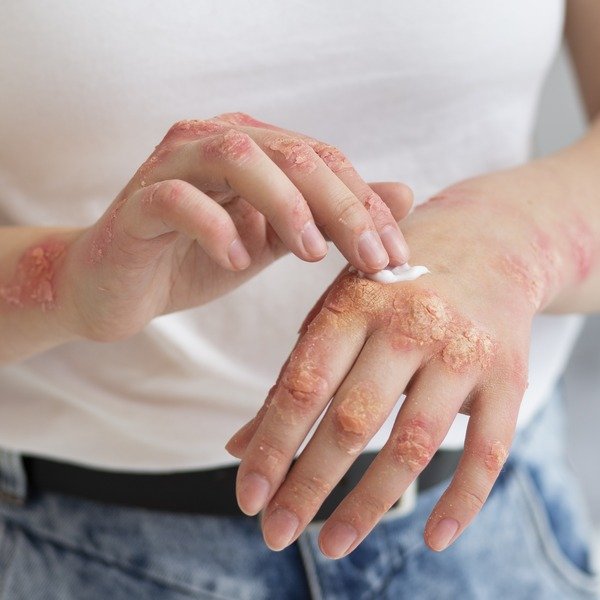
If you’ve ever experienced your hands or feet cracking, drying out, or oozing—especially after using soap or detergents-you know just how uncomfortable and frustrating it can be. This isn’t just a minor inconvenience. Chronic hand eczema, also known as hand dermatitis, is a persistent condition that affects an estimated 2-10% of the population at some point of time during life that equates to nearly 150 million to 800 million people worldwide.1
More Than Just Dry Skin: The True Impact of Hand Eczema
Hand eczema is not simply a case of dry skin. It’s a chronic inflammatory condition that can severely impact quality of life, especially if left untreated. From physical discomfort to emotional stress, its long-term presence can lead to significant disruptions in daily activities, work, and social interactions. It can even affect sleep, mental health, and the ability to perform everyday tasks like cooking or typing.
Why Does Hand Eczema Keep Coming Back?
Many people struggling with recurring hand eczema often ask: “Why me?” The answer lies in the multifaceted causes of the condition. Common triggers include:
- Allergic reactions: Sensitivity to jewelry (nickel, gold), cosmetics, and chemicals like rubber, paint, or latex.
- Atopic eczema: A hereditary condition often associated with a family history of allergies, asthma, or hay fever.
- Environmental stressors: Sudden weather changes and emotional stress can exacerbate symptoms.
- Irritant contact dermatitis: The most common type, triggered by frequent hand washing, soaps, and detergents that weaken the skin’s protective barrier.
What makes it even more difficult is that many people are exposed to multiple triggers at once. For example, someone working in healthcare or construction may be frequently exposed to both irritants and allergens, compounding the issue.
Diagnosing Hand Eczema: When to See a Dermatologist
A dermatologist can usually diagnose hand eczema with a visual examination. If your symptoms are new, a diagnosis might be straightforward. But if you have been battling this condition for years, you may need to undergo further testing.
Diagnosis is usually based on the appearance of the skin, your symptoms, medical history, occupation, hobbies, and exposure to potential irritants or allergens. If the eczema is chronic or contact allergy is suspected, a dermatologist may recommend patch testing. Other tests may occasionally be needed to rule out conditions such as fungal infection or psoriasis.
- Thyroid function tests to rule out metabolic issues.
- Routine blood work to identify any underlying health concerns.
- Patch testing to detect specific allergens.
These tests can help create a more personalized treatment plan by pinpointing specific causes and avoiding trial-and-error approaches.
Hand Eczema vs. Dry Hands: What’s the Difference?
Dry hands usually improve with regular moisturizing and protection from dry conditions. Hand eczema can look similar at first but may cause more persistent inflammation and symptoms such as intense itching, burning, redness, scaling, blisters, painful cracks, bleeding, or weeping skin.
If your hands remain extremely dry and painful despite frequent use of moisturizer, or if the rash keeps coming back, you may need an evaluation for hand eczema or another skin condition.
Hand eczema can also have several causes, including irritant contact dermatitis, allergic contact dermatitis, atopic dermatitis, and dyshidrotic eczema. Because treatment depends partly on the cause, identifying the trigger is an important part of managing recurring symptoms.
Is There a Cure for Hand Eczema?
Clinicians can typically control hand eczema, but it may recur if triggers continue to affect the skin. Treatment focuses on reducing inflammation, repairing the skin barrier, identifying triggers, and preventing future flares. Think of it like routine car maintenance—you need to keep up with consistent care to prevent major breakdowns.
How to Treat Bad or Severe Eczema on the Hands
If your hand eczema is severely cracked, painful, blistered, bleeding, crusted, or interfering with work and everyday activities, home care alone may not be enough.
Start by reducing exposure to anything that appears to trigger or worsen the flare. Continue using a thick, fragrance-free moisturizer regularly and protect your hands from unnecessary exposure to water, detergents, solvents, and other irritants.
A dermatologist can determine whether you need prescription treatment. Depending on the type and severity of hand eczema, treatment may include prescription topical corticosteroids or other anti-inflammatory medicines. People with persistent or severe disease may also be considered for treatments such as phototherapy or systemic medicines.
It’s also important to confirm that the problem really is eczema. Hand dermatitis can resemble other conditions, including psoriasis and fungal infections. Chronic hand dermatitis may require patch testing to look for contact allergies, and additional testing may sometimes be needed to rule out other causes.
Top Tips for Managing Chronic Hand Eczema
- Use fragrance-free soaps: Opt for mild, gentle cleansers that don’t strip your skin’s natural oils.
- Apply cool compresses: They can offer instant relief for itching and inflammation.
- Moisturize often: Use thick, fragrance-free creams several times a day, especially after washing hands.
- Keep nails trimmed: This reduces damage caused by scratching and lowers infection risk.
- Avoid known triggers: Especially after identifying them through a patch test.
- Wear protective gloves: When doing chores like dish-washing or gardening, wear non-latex gloves to prevent skin exposure.
Medical Treatments for Hand Eczema
Depending on severity, dermatologists may recommend:
- Topical corticosteroids to reduce inflammation and itching.
- Immune-modulating creams for longer-term control.
- Oral medications like antihistamines or immunosuppressants for severe flare-ups.
- Phototherapy (UV light therapy): Helps reduce inflammation and improve healing in stubborn cases.
- Biologic injections: In recent years, new biologic drugs have shown great promise in treating moderate-to-severe eczema by targeting specific parts of the immune system.
The Role of Patience in Healing
One of the most crucial elements in managing hand eczema is patience. No single treatment works for everyone, and it often takes several dermatologist visits to tailor the perfect regimen for you. Don’t be discouraged-your journey to healthy skin is entirely achievable with persistence.
Keeping a symptom diary can also be helpful in identifying flare-up patterns and tracking progress.
You Deserve Relief
Living with hand eczema isn’t just a cosmetic concern—it’s about improving your quality of life. With the right combination of medical treatment, lifestyle changes, and daily skincare, you can manage and reduce flare-ups effectively. Seek professional help, follow your dermatologist’s advice, and most importantly, don’t lose hope.
Final Thoughts: You’re Not Alone
If you or someone you know is struggling with hand eczema, know that support and treatment are available. Start your healing journey today and take back control of your skin health. Don’t hesitate to share your experience or ask questions—there’s a whole community out there ready to help and support you.
FAQs About Chronic Hand Eczema
Q. Can hand eczema be contagious?
A. No, hand eczema is not contagious and cannot be spread from person to person.
Q. Is hand eczema the same as psoriasis?
A. While both are inflammatory skin conditions, they are different in cause, symptoms, and treatment.
Q. How long does a hand eczema flare-up last?
A. Flare-ups can last days to weeks, depending on the severity and treatment effectiveness.
Q. Are natural remedies effective for eczema?
A. Some natural remedies may help mild cases, but always consult a dermatologist for severe or persistent eczema.
Q. Can diet impact hand eczema?
A. Diet isn’t a universal cause of hand eczema. Food allergy can be relevant in some people with particular types of eczema, but eliminating foods without a confirmed reason is generally not an appropriate treatment strategy. If you suspect a food allergy is contributing to your symptoms, discuss it with a healthcare professional.