
Glutathione is getting a lot of attention these days-whether it’s for glowing skin, detoxing your body, or boosting your health. Many people who take glutathione supplements or undergo glutathione IV treatments may still consume alcohol socially or occasionally. However, this raises a key question: can glutathione be taken with alcohol, and does alcohol affect glutathione’s benefits?
What Is Glutathione and Why Is It Important?
Glutathione is made of sulfur containing amino acids: glutamate, cysteine, and glycine.1 It is a powerful antioxidant, think of it as your body’s personal bodyguard. Moreover, it helps protect cells from damage caused by pollution, stress, and harmful chemicals. It also helps keep your liver healthy and supports your immune system.
When your glutathione levels are low, your body has a harder time protecting itself. That’s when taking extra glutathione through tablets or drips can help.
Natural Sources of Glutathione
While supplements and IV drips are popular ways to increase glutathione, many people don’t realize that your body can make it naturally-with the right foods and lifestyle habits.
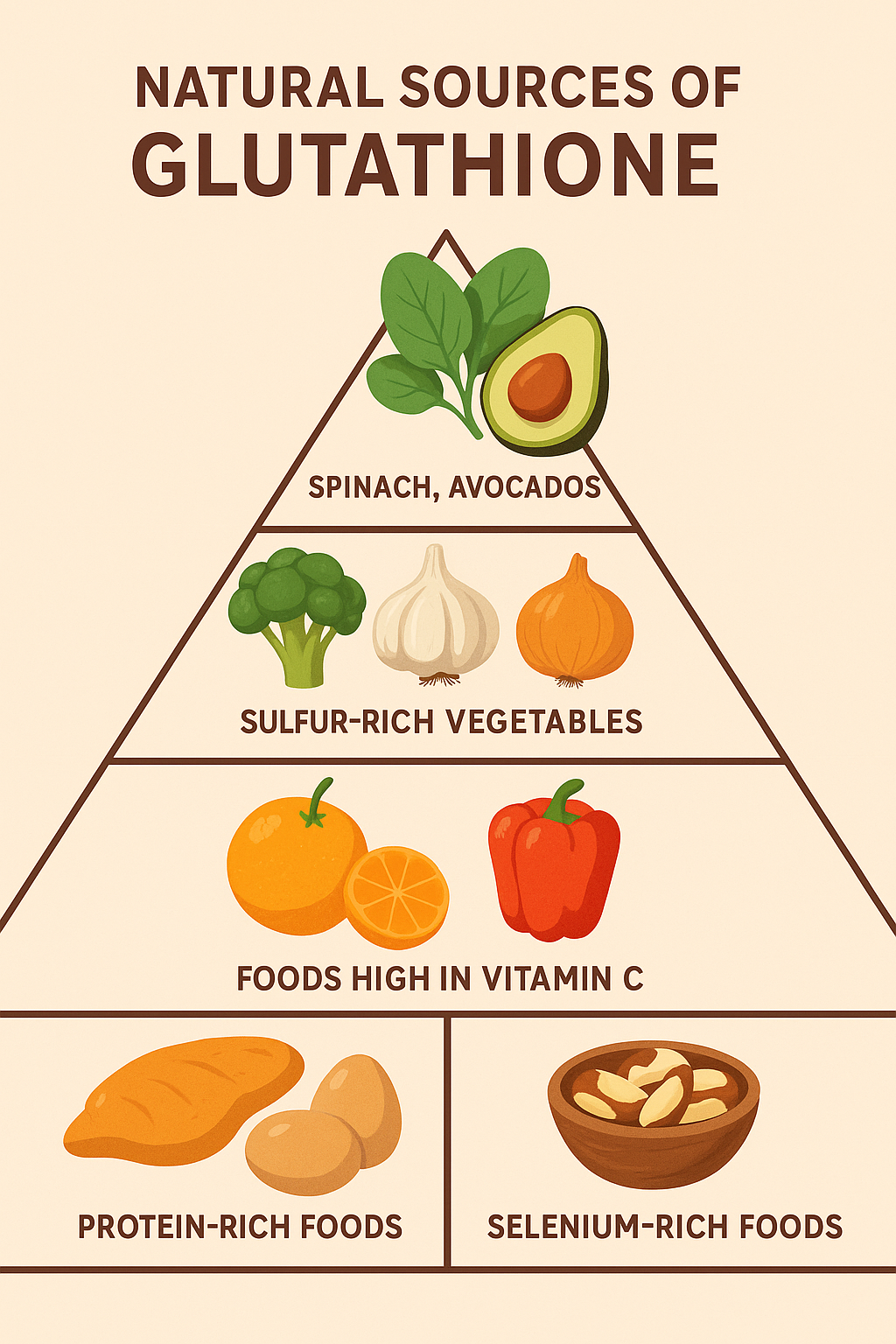
You don’t always need pills to get glutathione. Some foods help your body make it naturally:
1. Sulfur-Rich Vegetables
Since glutathione is a sulfur containing compound, foods high in sulfur help your body make more glutathione and include:
- Broccoli
- Cabbage
- Cauliflower
- Brussels sprouts
- Kale
- Garlic
- Onions
2. Foods High in Vitamin C
Vitamin C is an antioxidant that helps the damaged glutathione from depleting and thus protect its level in the body.
- Oranges
- Strawberries
- Papayas
- Kiwi
- Pineapples
- Bell peppers
3. Protein-Rich Foods (Especially with Cysteine)
Cysteine is one of the main amino acids your body uses to create glutathione.
- Chicken
- Turkey
- Eggs
- Yogurt
- Sunflower seeds
- Lentils
4. Selenium-Rich Foods
Selenium helps enzymes in the body activate and use glutathione.
- Brazil nuts
- Tuna
- Sardines
- Eggs
- Brown rice
5. Whey Protein
Whey protein is especially high in glutathione-building amino acids.
Make sure to choose non-denatured, cold-processed whey for best results.
6. Spinach and Avocados
Both are rich in glutathione and can be eaten raw or cooked.
Also, staying active, sleeping well, and reducing stress can keep your glutathione levels strong.
Glutathione Tablets and Their Uses
People use glutathione for different reasons:
- Brighter and clearer skin
- Helping the liver get rid of toxins
- Fighting inflammation and aging
- Boosting your energy and immunity
Most tablets come in doses of 250–500 mg. It’s best to take them on an empty stomach for better absorption.
What is The Cost of a Glutathione Drip?
A glutathione drip is when the antioxidant is given straight into your bloodstream through an IV. It works faster than tablets and is often used for skin brightening and full-body detox.
Average cost of a single drip can range from ₹5,000 – ₹7,000, depending on where you go.
Can You Take Glutathione and Alcohol Together?
Here’s the truth: Alcohol and glutathione don’t mix well.
Glutathione exists in two forms in the body: Oxidised and reduced. Levels of reduced glutathione are important for detoxification and antioxidant systems in the cells and glutathione tablets may even help patients with liver disease.2
When you drink alcohol, your liver works overtime to clean it out. It uses up a lot of your body’s glutathione to do this.3 So if you’re taking glutathione tablets or getting drips and drinking alcohol at the same time, the alcohol may reduce the effectiveness of the treatment.
Also, alcohol can make it harder for your body to absorb and use glutathione properly. So if you’re serious about your results, it’s best to avoid alcohol during your treatment.
Best Practices to Follow
- Don’t drink alcohol for at least 24 hours before and after taking glutathione.
- Take tablets on an empty stomach with water.
- Eat foods rich in glutathione to help your body naturally produce more.
Conclusion
Glutathione is a great way to boost your health, support your liver, and brighten your skin. Whether you choose glutathione tablets or a drip, just remember to avoid alcohol and take care of your body for the best results.
Here is an SEO-focused FAQ section designed to target searches around glutathione tablets, glutathione and alcohol, glutathione drip cost, and glutathione benefits:
Frequently Asked Questions
Q. Can you take glutathione with alcohol?
A. It is generally better to avoid alcohol while taking glutathione supplements or undergoing glutathione IV treatment. Alcohol metabolism increases oxidative stress and can affect the body’s glutathione antioxidant system, although the exact effect varies depending on alcohol intake and individual health.
Q. Does alcohol reduce the benefits of glutathione?
A. Regular or heavy alcohol consumption may reduce the body’s antioxidant defenses and increase oxidative stress, potentially working against some of the intended benefits of glutathione supplementation. There is limited evidence, however, that occasional alcohol completely cancels out the effects of a glutathione supplement.
Q. How long should I wait to drink alcohol after taking glutathione?
A. There is no well-established medical guideline requiring a specific number of hours between glutathione and alcohol. If you are taking glutathione for a specific medical or cosmetic purpose, avoiding alcohol around the treatment period is a cautious approach; follow the advice of your treating doctor, particularly after an IV treatment.
Q. Can I take glutathione tablets and drink alcohol?
A. It is best to minimize or avoid alcohol while taking glutathione tablets, especially if you are using them regularly or have liver disease. Alcohol can increase oxidative stress and place additional demands on the liver.
Q. Can I drink alcohol after a glutathione drip?
A. Avoiding alcohol after a glutathione IV drip is generally advisable. There is no strong evidence establishing a specific mandatory waiting period, so your treating clinician’s instructions should take priority.
Q. Is glutathione safe for everyone?
A. Glutathione is generally tolerated by many people when used appropriately, but supplements and IV treatments can have adverse effects and may not be appropriate for everyone. People with medical conditions, those taking medications, pregnant or breastfeeding individuals, and anyone considering IV glutathione should discuss it with a qualified healthcare professional first.
Q. Is glutathione good for the liver?
A. Glutathione plays an important physiological role in antioxidant defense and liver metabolism. However, taking glutathione supplements does not automatically mean that it will “detox” or repair the liver, and it should not replace evidence-based treatment for liver disease.
References
- https://en.wikipedia.org/wiki/Glutathione
- Honda Y, Kessoku T, Sumida Y, et al. Efficacy of glutathione for the treatment of nonalcoholic fatty liver disease: an open-label, single-arm, multicenter, pilot study. BMC Gastroenterol. 2017;17(1):96. Published 2017 Aug 8. doi:10.1186/s12876-017-0652-3
- Loguercio, C., P. Piscopo, C. Guerriero, V. De Girolamo, D. Disalvo, and C. Del Vecchio Blanco. 1996. “Effect of Alcohol Abuse and Glutathione Administration on the Circulating Levels of Glutathione and on Antipyrine Metabolism in Patients with Alcoholic Liver Cirrhosis.” Scandinavian Journal of Clinical and Laboratory Investigation 56 (5): 441–47. doi:10.3109/00365519609088799.