
The internet is full of cool and sometimes really weird stuff that gets everyone talking. You’ve got dance challenges, funny memes, and all sorts of creative ideas buzzing around online. One of the latest trends making waves on the internet is something called the “carrot tan” which claims that the “daily consumption of three carrots” can lead to a naturally radiant tan, perfect for flaunting your beach body or enhancing your looks.
The supporters of this trend claim that these crunchy vegetables, rich in beta-carotene, hold the secret to achieving a bronzed complexion without ever stepping foot in the sun. But is there any truth to this viral sensation, or is it just another internet-driven myth?
Let me tell you about the truth and potential risks and side effects associated with this unconventional approach to achieving a sun-kissed look.
Does Carrot Juice Make You Tan?
If you’ve seen videos on social media claiming that drinking carrot juice can give you a natural tan, you may be wondering whether there’s any truth to it.
The short answer is no. Drinking Carrot Juice can give your skin a slightly golden or yellow-orange appearance in some people, but it does not increase melanin or produce a true suntan.
Why Do People Think Carrot Juice Causes a Tan?
Carrot juice is rich in beta-carotene, the same natural pigment found in whole carrots, sweet potatoes, pumpkins, and other orange vegetables.
When you drink carrot juice regularly, your body absorbs beta-carotene and stores some of it in the outer layer of your skin. If enough builds up over time, your skin may appear slightly more golden, yellow, or orange.
This condition is called carotenemia.
Unlike a real suntan, this color change is caused by beta-carotene, not by an increase in melanin, the natural pigment responsible for tanning.
Is Carrot Juice More Effective Than Eating Whole Carrots?
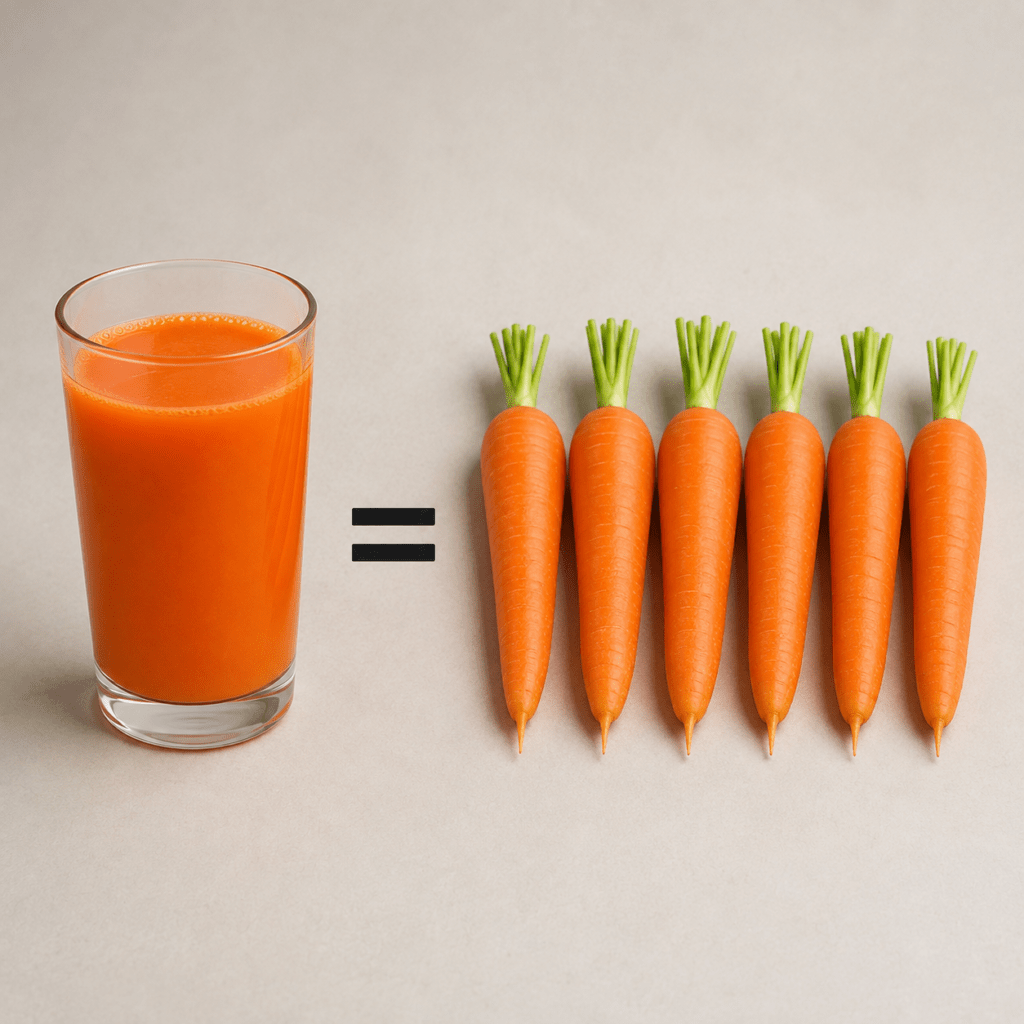
Carrot juice and whole carrots contain the same beta-carotene, but carrot juice makes it much easier to consume large amounts in a short time.
For example, one glass of fresh carrot juice may contain the beta-carotene from 4 to 6 carrots. Most people would find it difficult to eat that many carrots at once, but drinking them as juice is much easier.
Because of this, people who drink carrot juice every day may develop carotenemia more quickly than those who occasionally eat whole carrots.
Does Beta-Carotene Increase Melanin?
No.
One of the biggest myths about the “carrot tan” trend is that beta-carotene increases melanin production. There is no scientific evidence that eating carrots or drinking carrot juice stimulates your skin to produce more melanin.
Melanin is produced by specialized skin cells called melanocytes, mainly in response to ultraviolet (UV) radiation from the sun or tanning beds.
Beta-carotene works differently. Instead of increasing melanin, it simply accumulates in the skin, giving it a temporary yellow-orange color.
Carrot Juice Tan vs. a Real Suntan
| Carrot Juice | Sun Tan |
|---|---|
| Caused by beta-carotene buildup | Caused by increased melanin production |
| May give skin a yellow-orange tint | Produces a brown or bronze tan |
| Develops gradually after frequent consumption | Develops after UV exposure |
| Temporary and fades when beta-carotene intake decreases | Gradually fades as skin naturally renews itself |
| Does not protect against sunburn | A tan provides only minimal natural UV protection |
Carrot juice may slightly change your skin color if you drink large amounts regularly, but it won’t give you a true tan. The color change comes from beta-carotene, not melanin, so your skin may look more yellow or orange rather than naturally bronzed. If your goal is a healthy-looking complexion, drinking carrot juice can be part of a balanced diet, but it shouldn’t be viewed as a safe or effective alternative to natural tanning or proper sun protection.
Health Benefits of Consuming Carrots
Carrots are one of the commonly consumed foods especially in the Asian community for their various health benefits.1 You’ll often see folks chomping down on carrots just because they might have heard that it might help them ditch their glasses and keep their eyesight in tip-top shape.
Carrots are one of the best sources of Vitamin A and consuming them may have many positive effects on the body:
- Eyes: Carrots are indeed excellent for your eyes. They are rich in beta-carotene, which the body converts into vitamin A. This vitamin is crucial for maintaining good vision, especially in low-light conditions. A diet rich in vitamin A helps prevent night blindness and can support long-term eye health.
- Skin: The beta-carotene in carrots also acts as an antioxidant, helping to protect your skin from damage caused by free radicals. It promotes a healthy complexion and can give your skin a natural, radiant glow.
- Hair: The vitamins and minerals in carrots, including vitamin A and biotin, can promote healthy hair growth and prevent hair loss.
- Bones: Carrots are a source of vitamin K, which is essential for bone health. Vitamin K plays a role in bone mineralization and density, reducing the risk of fractures and osteoporosis.
- Heart: The antioxidants and potassium found in carrots can contribute to heart health. Potassium helps regulate blood pressure, while antioxidants help reduce oxidative stress and inflammation, factors that can lead to heart disease.
- Gut: Carrots contain dietary fiber, which is essential for healthy digestion. Fiber helps regulate bowel movements, prevents constipation, and supports a balanced gut microbiome, promoting overall digestive wellness.
- Immune System: Carrots are a good source of various vitamins and minerals, including vitamin C and vitamin A, which are known for their immune-boosting properties. Consuming carrots can strengthen your body’s defense against illnesses.
- Weight Management: Carrots are low in calories and high in fiber, making them a great snack option for those looking to manage their weight. The fiber helps you feel fuller for longer, reducing the likelihood of overeating.
The Unwanted Side Effects of Carrot Tan
Carrots do not contain the necessary components to stimulate melanin (natural pigment responsible for tanning) production in the skin
While the concept of achieving a sun-kissed tan through consuming carrots might sound harmless and appealing, it’s essential to understand that there are potential unwanted side effects of consuming excessive carrots to achieve a carrot tan.
The carrot tan trend is largely based on a myth. Attempting to tan by consuming carrots is not only ineffective but also temporary and misleading. The tan from eating a ton of carrots isn’t the same as getting a bronze glow from laying by the pool.
Although excessive carrot intake rarely causes any adverse effects, they should not be underestimated:
- Carotenemia may be one of the long-term side effects of excessive carrot consumption. It occurs when there is an excessive buildup of beta-carotene (a pigment found in carrots, sweet potatoes, and pumpkins) in the bloodstream. This can lead to a noticeable orange or yellowish tint to the skin, which is often mistaken for a tan. Although this tinted skin may not be associated with significant health risks, it can be unpleasant to look at and may be a cause of worry for some people.
- Hypervitaminosis A: Carrots contain beta-carotene, which the body converts into vitamin A only as needed. Because of this, vitamin A toxicity from eating carrots alone is uncommon in healthy people. However, rare case reports have described liver abnormalities and symptoms suggestive of vitamin A excess in people who consumed very large amounts of beta-carotene-rich foods for prolonged periods, often as part of highly restrictive diets.
- Digestive issues: Furthermore, consuming excessive amounts of carrots to achieve a tan may also result in digestive issues like bloating, gas, and diarrhea due to the presence of excessive fiber.
Conclusion: Carrot Tan Is Not What It Claims To Be
Eating carrots just to attain a tan that looks more orange than brown and which lasts only temporarily may not be worthwhile and actually harmful. Moreover consider this:
One medium-sized carrot provides approximately 10,000 IU of vitamin A.2
Although carrots contain large amounts of provitamin A (beta-carotene), this is different from preformed vitamin A found in foods such as liver and many vitamin A supplements. In healthy people, the body regulates how much beta-carotene is converted into vitamin A, making toxicity from normal carrot consumption uncommon. However, eating extremely large amounts of beta-carotene-rich foods for prolonged periods may lead to carotenemia and, in rare cases described in medical literature, has been associated with liver abnormalities and symptoms suggestive of vitamin A excess.3,4
There are several compelling reasons why eating carrots for a tan it’s not worth the potential consequences.
Firstly, a carrot tan alone cannot provide the necessary protection against harmful UV radiation from the sun. While they contain antioxidants like beta-carotene that may help protect your skin from sun damage to some extent, this protection is minimal compared to the use of sunscreen or protective clothing. Relying on carrots for sun protection can lead to a false sense of security, increasing the risk of sunburn and long-term skin damage.
Additionally, overindulgence in carrots can lead to an imbalanced diet, with adverse effects on overall skin health. A diet that lacks diversity and essential nutrients may result in dry, dull skin, and can even exacerbate skin conditions like acne or eczema.
In conclusion, a balanced diet involving carrots may be considered a healthy food choice providing various health benefits. However, moderation is key, and individuals should be cautious not to consume carrots in excessive quantities, especially when driven by the misconception that it will lead to a tan or other cosmetic benefits.
If you found this article on carrot tan helpful, don’t keep it to yourself! Share your thoughts in the comments below and hit that like button to let us know.
References
- https://www.ers.usda.gov/webdocs/outlooks/39511/11719_vgs31901_1_.pdf?v=9138
- https://fdc.nal.usda.gov/fdc-app.html#/food-details/170393/nutrients
- Sansone, R.A. and Sansone, L.A. (2012), Carrot man: A case of excessive beta-carotene ingestion†. Int. J. Eat. Disord., 45: 816-818.
- https://www.sciencedirect.com/science/article/abs/pii/S0168827899801743