
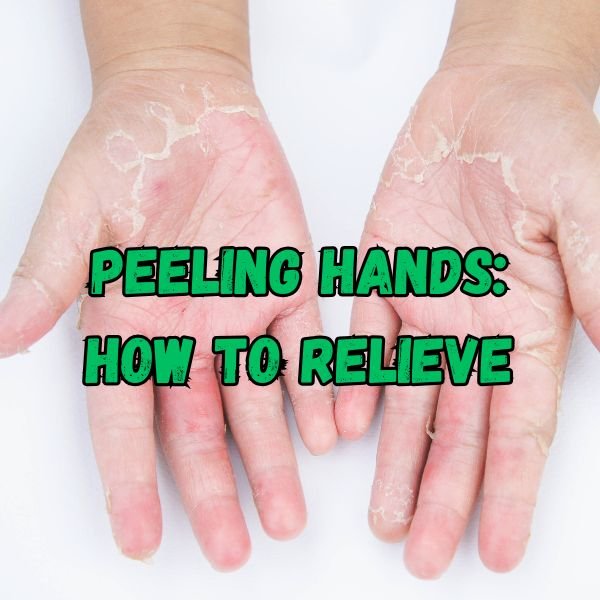
Ever notice your hands peeling out of nowhere? It can be a little uncomfortable—and honestly, kind of embarrassing. Dry, flaky skin makes even simple things like shaking hands or using your phone annoying. The good news? Peeling hands are usually not serious, but they can be a sign that your skin needs some extra care—or even that there’s an underlying condition that needs attention.
Let me tell you why your hands might be peeling, how to treat it at home, and when it’s time to see a doctor.
What Does It Mean When Your Hands Peel?
Skin naturally sheds and renews itself, but when your hands start peeling in bigger patches or feel rough and raw, that’s not just normal exfoliation—it’s your skin signaling stress. Think of it as your body’s way of waving a red flag, saying, “Hey, I need some attention here.”
Common Causes of Peeling Hands
There are lots of reasons your skin might be acting up. Let’s go through the most common ones.
1. Everyday Lifestyle Factors
- Dry weather: Cold, dry air sucks moisture right out of your skin.
- Frequent handwashing: Important for hygiene, but too much soap and hot water strip away natural oils.
- Harsh soaps or sanitizers: Anything with heavy fragrances or alcohol can irritate your skin.
2. Irritants and Chemicals
If you clean a lot without gloves, use strong detergents, or handle chemicals, your hands can dry out and peel. Even something as random as handling squash can cause irritation for some people (a condition called “squash hands”).
3. Skin Conditions
- Eczema: Makes hands dry, itchy, and flaky.
- Psoriasis: Can cause thick, scaly patches that peel.
- Dyshidrotic eczema: Leads to tiny blisters that peel afterward.
4. Other Causes
- Vitamin deficiencies: Lack of certain vitamins (like B or C) can weaken skin.
- Fungal infections: These can cause red, itchy, peeling patches (often confused with dry skin).
- Sunburn: After a burn, peeling is part of the healing process.
How Do Doctors Figure It Out?
If peeling is stubborn or painful, a doctor may ask about your habits, run a patch test to check for allergies, or take a closer look to rule out conditions like eczema or fungal infections. Most of the time, though, the cause can be spotted just by your lifestyle and symptoms.
Home Remedies & Simple Fixes
The good news: in many cases, you can calm peeling hands at home without needing prescriptions. Here are some tried-and-true remedies:
1. Moisturize Like It’s Your Job
After every wash, apply a thick hand cream (look for words like “ceramide” or “urea” on the label). These ingredients repair the skin barrier and lock in hydration.
Tip: Keep a small hand cream in your bag, car, or desk so you don’t forget.
2. Choose the Right Soap
Swap out harsh, fragrant soaps for something gentle and hydrating. Unscented is usually better.
3. Natural Helpers
- Coconut oil or olive oil: Massage into hands before bed.
- Honey mask: Apply raw honey for 15 minutes—it hydrates and helps heal small cracks.
- Oatmeal soaks: Mix ground oats with warm water and soak your hands for soothing relief.
4. Protective Habits
- Wear gloves when cleaning or washing dishes.
- In winter, use cotton gloves under mittens to trap moisture overnight.
- Limit super-hot showers—they strip away your skin’s oils.
Medical Treatments (When You Need Extra Help)
Sometimes, home care isn’t enough—especially if an underlying condition is causing the peeling. A dermatologist might suggest:
- Prescription creams: Steroids, stronger moisturizers, or medicated ointments.
- Antifungal treatments: If peeling is from a fungal infection.
- Light therapy or stronger meds: For stubborn eczema or psoriasis.
The key is not to wait too long—if your hands hurt, bleed, or just won’t heal, professional care can save you a lot of frustration.
Prevention: Keeping Hands Smooth and Healthy
You don’t want to keep treating the same issue over and over. Preventing peeling is all about building good habits:
- Moisturize every single time after washing your hands.
- Keep a hand cream at your sink, nightstand, and workspace.
- Use gloves for chores, gardening, or cleaning.
- Choose hand sanitizers with added moisturizers.
- Stay hydrated—your skin reflects what’s happening inside too.
When Should You See a Doctor?
It’s time to book an appointment if:
- Your hands are peeling nonstop for weeks.
- They’re painful, cracked, or bleeding.
- You notice signs of infection (redness, swelling, pus).
- Over-the-counter creams just don’t help.
Conclusion
Peeling hands are annoying, but most of the time, they’re fixable with a few lifestyle tweaks. Whether it’s moisturizing more often, protecting your skin from irritants, or checking in with a doctor for a skin condition, you don’t have to live with flaky, uncomfortable hands.
Treat your skin like you would a good friendship—protect it, take care of it daily, and it’ll stay strong for you in return.
Frequently Asked Questions
Q. Why are my hands suddenly peeling?
A. Often it’s due to environmental or lifestyle factors—like frequent washing, harsh soaps, or dry weather. In other cases, it could be a skin condition like eczema, psoriasis, or even a fungal infection.
Q. How can I heal peeling hands fast?
A. Keep your skin moisturized with creams that have ceramides or urea. Protect with gloves and avoid hot water. You might consider an OTC hydrocortisone if your skin’s inflamed.
Q. Are vitamin deficiencies causing it?
A. Yes—especially lack of vitamins B3, B7 (biotin), or A can weaken your skin. A balanced diet or supplements may help, but check with a dermatologist or dietician.
Q. When should I see a dermatologist?
A. If peeling persists beyond a week, or if there’s cracking, pain, bleeding, or signs of infection (like pus or fever), it’s time to get checked.
Q. Could it be something serious?
A. While rare, peeling can be linked to infections (like strep or fungal), allergic reactions, or other conditions. Conditions such as toxic shock syndrome or Stevens-Johnson syndrome require immediate attention—if you’re feeling sick or have a rash, don’t wait.