When patients come to my clinic worried about hair loss, the first thing they usually ask is, “Doctor, what shampoo should I use for hair growth?”
My answer often surprises them: before we talk about hair products, we need to talk about the scalp.
Think of your scalp as the “soil” and your hair as the “plants.” No matter how many fancy serums or oils you use, if the scalp is unhealthy, the hair will struggle to grow strong and thick. Dandruff, seborrheic dermatitis, and scalp buildup are often the hidden culprits behind hair fall—and yet, they’re commonly overlooked.
Let’s break down why scalp health matters, how these conditions affect your hair, and most importantly, what you can do about it.
The Scalp-Hair Relationship
Your scalp is more than just skin—it’s a living environment where each follicle acts like a tiny factory that produces hair strands. For these factories to work efficiently, they need:
- Clean pores so follicles aren’t clogged.
- Balanced oils to keep the skin barrier healthy.
- A calm environment without chronic irritation or inflammation.
When the scalp is inflamed, flaky, or overloaded with buildup, it disrupts the hair growth cycle. This can push strands into a “resting” or “shedding” phase earlier than they should, leading to noticeable thinning or increased hair fall.
Dandruff: More Than Just Flakes
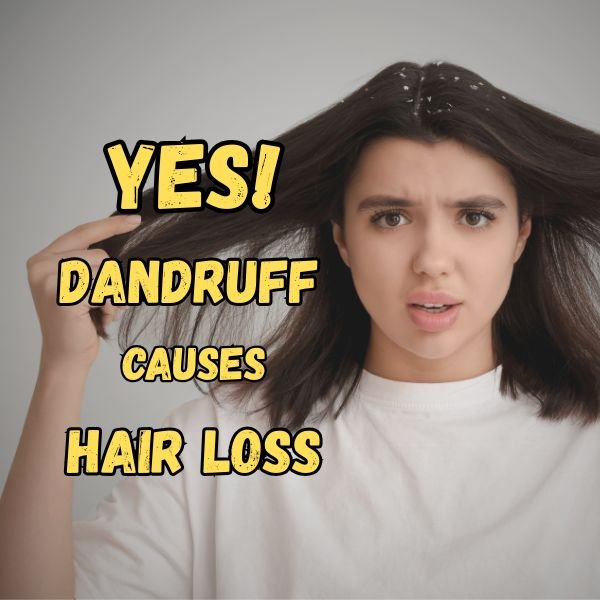
Almost everyone experiences dandruff at some point. It shows up as itchy, white flakes and can feel embarrassing, but here’s the key: dandruff isn’t just cosmetic.
- Why it happens: Dandruff often occurs due to a yeast on the scalp called Malassezia, which feeds on natural scalp oils. This triggers rapid shedding of skin cells.
- Why it matters for hair:
- Scratching weakens hair at the roots, leading to breakage or shedding.
- Constant irritation and inflammation around follicles can weaken their grip on hair strands.
- In people with genetic hair loss tendencies, dandruff can accelerate thinning.
So when patients say, “Doctor, my hair falls more when I have dandruff,”—they’re not imagining it. There’s a real link.
Seborrheic Dermatitis: Dandruff’s Angrier Cousin
If dandruff is mild, seborrheic dermatitis is the more severe version. This condition creates red, greasy, scaly patches that are often itchy and sometimes even painful.
- The problem: It’s not just flakes—it’s inflammation.
- Impact on hair: While seborrheic dermatitis doesn’t cause permanent baldness, the inflammation and scratching can cause temporary shedding. Some people notice thinning until the condition is brought under control.
- Dermatologist’s tip: This condition often flares with stress, weather changes, or hormonal shifts. Managing it early helps prevent long-term damage.
Scalp Buildup: The Silent Blocker
Many of my younger patients complain of “oily scalp and hair fall.” Often, the culprit is scalp buildup—a sticky mix of sweat, oils, styling products, and dead skin.
- How it affects hair:
- Buildup clogs follicles, making it hard for new hair to grow.
- It creates an unhealthy environment, sometimes even leading to folliculitis (tiny pimples or infections around hair roots).
- A congested scalp also traps yeast and bacteria, which worsen dandruff and inflammation.
In simple words: if your scalp is suffocating under layers of buildup, your hair won’t breathe, won’t grow, and will shed more easily.
Why a Healthy Scalp = Healthy Hair
When your scalp is balanced, clean, and calm:
- Hair follicles get proper oxygen and nutrients.
- Strands stay anchored longer in the growth phase.
- You reduce the risk of premature shedding or thinning.
This is why I tell my patients: beautiful hair is not built in the salon—it’s built in the scalp.
Actionable Tips for Better Scalp and Hair Health
Here’s what I recommend as a dermatologist if you’re serious about stopping hair fall linked to scalp issues:
- Wash Regularly (But Not Excessively)
- Use an anti-dandruff shampoo 2–3 times a week.
- Look for ingredients like ketoconazole, zinc pyrithione, selenium sulfide, or salicylic acid.
- Exfoliate Gently
- A scalp scrub, soft brush, or mild acid (like glycolic/salicylic) once a week helps remove buildup.
- Soothe Irritation
- Aloe vera gel, chamomile water, or dermatology-grade calming lotions help with redness and itch.
- Massage Your Scalp
- A few minutes of gentle massage improves blood circulation and stimulates follicle activity.
- Eat & Live Smart
- Anti-inflammatory foods like salmon, walnuts, spinach, and berries support scalp health.
- Stay hydrated and manage stress—both are underrated causes of flares.
- Seek Help When Needed
- If flakes, itching, or hair fall persist despite home care, consult a dermatologist. Conditions like seborrheic dermatitis often need prescription solutions.
Conclusion
Your scalp is the hidden key to healthy hair. Dandruff, seborrheic dermatitis, and buildup may seem like minor annoyances, but left untreated, they can disrupt your hair growth cycle and lead to noticeable shedding.
As I often remind my patients: treat your scalp like you treat your face. Cleanse it, care for it, and protect it.
Because when your scalp thrives, your hair naturally follows.