
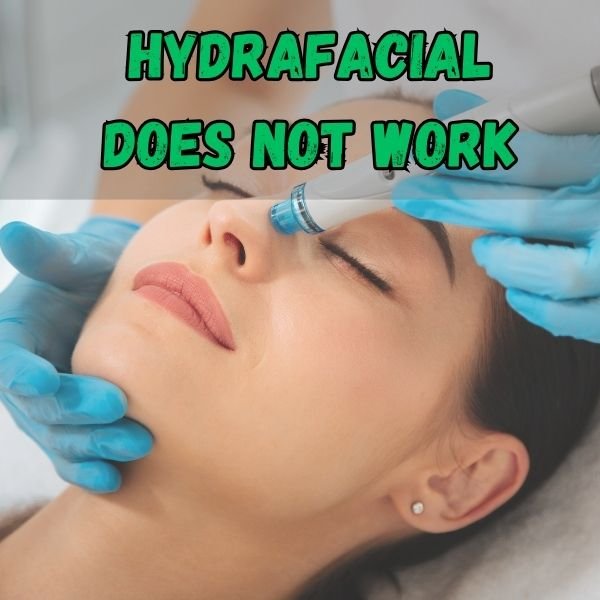
From Instagram influencers to beauty magazines, the HydraFacial has been marketed as the “holy grail” of glowing skin. Promising hydration, deep cleansing, and pore purification in under an hour, it’s no wonder this treatment has gained cult-like status. But according to many dermatologists, HydraFacial’s results may not live up to the hype.
The truth? While it can provide an immediate glow, its benefits are often short-lived, superficial, and nowhere near a substitute for medical-grade skincare or evidence-based dermatological procedures. Let’s break down why dermatologists are skeptical and whether it’s really worth your money.
What Exactly Is a HydraFacial?
HydraFacial is a patented, non-invasive skin treatment that combines three steps:
- Cleansing and exfoliation – to remove surface-level dirt and dead skin.
- Extraction – using suction to unclog pores.
- Serum infusion – to deliver mild hydrating and antioxidant solutions.
The session takes about 30–45 minutes, requires no downtime, and costs anywhere from ₹2000 to ₹6000 per treatment-sometimes more, depending on location and added boosters.
No wonder it’s popular-fast, painless, and gives instant gratification. But does it really improve skin long-term?
Why Dermatologists Call HydraFacial Overhyped
1. Short-Term Glow, Not Long-Term Results
Most patients notice brighter, smoother skin immediately after the treatment. However, this glow usually fades within a few days to a week, meaning repeat sessions are required to maintain results.
2. Superficial Impact Only
HydraFacial works only on the outermost layer of the skin (epidermis). It cannot correct deeper issues like pigmentation, acne scarring, wrinkles, or loss of elasticity—despite marketing claims.
3. Limited Scientific Evidence
Unlike chemical peels, microneedling, or laser resurfacing, HydraFacial lacks strong clinical studies proving its long-term effectiveness. Much of the hype comes from marketing, not peer-reviewed dermatological science.
4. Expensive for What You Get
At ₹2000 to ₹6000 per session, the cost adds up quickly-especially since dermatologists recommend regular treatments for maintenance. For that same price, patients can often invest in clinically proven alternatives such as chemical peels or fractional lasers, which deliver more lasting results.
When HydraFacial Might Be Worth It
Dermatologists admit HydraFacial does have a place-just not as a miracle cure. It may be worth it if:
- You want a quick glow before a wedding, photoshoot, or special event.
- You struggle with clogged pores or mild dullness.
- You prefer a gentle, non-invasive option with no downtime.
When It’s Probably Not Worth It
Skip HydraFacial if you’re looking to treat:
- Deep wrinkles or fine lines
- Pigmentation issues like melasma
- Acne scars
- Long-term anti-aging results
In these cases, treatments like chemical peels, microneedling, or lasers offer far more proven and lasting improvements.
Cost vs Value
While HydraFacials may feel luxurious, they are not the most cost-effective solution. With repeat sessions needed every 4–6 weeks, annual costs can exceed ₹20000 to ₹50000. For many patients, investing in prescription skincare, dermatologist-supervised chemical peels, or laser therapies delivers better long-term outcomes for the same or lower price.
Conclusion
HydraFacial is not a scam—it can give skin a temporary boost of radiance and hydration. But dermatologists agree it’s overhyped. Its results are short-lived, superficial, and often don’t justify the high price tag, especially compared to other clinically proven treatments.
If you’re considering HydraFacial, manage your expectations. It’s best used as a quick pick-me-up before special occasions-not as the cornerstone of your skincare strategy. For long-term improvement, consult a dermatologist for treatments backed by real science.
Frequently Asked Questions
Q: How long do HydraFacial results last?
A. Typically, results last about 5–7 days before the skin returns to baseline.
Q: Is HydraFacial safe for sensitive skin?
A. Yes, it’s gentle and generally safe, but reactions can occur. Always consult a dermatologist first.
Q: How often should I get HydraFacial?
A. Spas recommend every 4–6 weeks—but this is costly and often unnecessary.
Q: Can HydraFacial replace dermatologist treatments?
A. No-it’s more of a cosmetic refresh than a medical solution.
Q: Are there better alternatives?
A. Yes-chemical peels, microneedling, and laser therapies provide longer-lasting, clinically proven benefits.